September 1, 2026
Severe weather transforms serene landscapes into chaotic scenes of broken branches and uprooted trunks. Property owners feel an intense urge to restore order without delay. The sight of scattered debris across lawns prompts individuals to grab tools and begin clearing the wreckage. This reaction stems from a desire to return life to normal. However, tackling large fallen limbs requires specific knowledge and expertise that the average person lacks.
Engaging in amateur clearing efforts introduces extreme perils that go unnoticed by an untrained eye. The sheer weight of compromised vegetation creates a hazardous environment for people without proper training. Undertaking storm damage tree removal without professional assistance places lives at immense risk. The desire to save money pales in comparison to the severe injuries that occur during amateur operations. Relying on qualified specialists remains the safest approach.
The Hidden Dangers of Electrical Hazards
High winds cause heavy branches to sever power lines, creating invisible traps within the foliage. Downed cables intertwine with leaves, making them difficult to detect amid the clutter. Live wires electrify the surrounding vegetation, turning the area into a lethal zone. Homeowners might overlook these energized lines until a fatal mistake occurs. Recognizing electrical threats requires specific detection equipment that the average resident lacks.
Electricity seeks the path of least resistance through the human body. According to the Occupational Safety and Health Administration, three common hazards related to tree care are faulty safety equipment, power lines, and falling branches. This stark reality underscores the peril that awaits uneducated individuals. A lack of awareness transforms a simple cleanup task into a life-threatening scenario.
Water acts as an excellent conductor, and post-weather environments remain saturated. Wet bark and damp soil extend the reach of electrical currents beyond the point of contact with a downed wire. Stepping near an electrified puddle can deliver a lethal shock. Professionals understand the complex behavior of electricity in wet conditions. Average citizens lack the situational awareness needed to identify these extended shock zones.
Attempting to clear branches near utility infrastructure violates safety regulations and places individuals in direct jeopardy. Utility companies mandate that professional linemen handle vegetation intersecting with electrical grids. Executing storm damage tree removal near active utilities requires insulated gear and coordinated communication with power operators. Bypassing these established frameworks invites catastrophe. Property owners must defer to experts who possess the credentials to neutralize electrical threats.
The Unpredictable Nature of Compromised Wood
Fallen timber stores massive amounts of kinetic energy, twisting under immense pressure. A downed trunk resting on an uneven surface contains hidden tension points that react with great force when cut. These invisible forces turn massive logs into explosive projectiles that strike with bone-crushing power. An untrained individual cannot read the stress patterns within the wood fibers. Misjudging the tension sides of a fallen log results in catastrophic accidents.
Spring poles represent another significant threat lurking within tangled debris. These consist of smaller saplings pinned under the weight of larger timber, bent like a drawn bow. When an individual cuts the weight holding the sapling, the stored energy releases in an instant. The resulting snap delivers enough force to cause fatal trauma. Neutralizing spring poles requires advanced cutting techniques and an understanding of wood mechanics.
Internal decay complicates the behavior of wind-battered timber. A trunk appearing solid on the outside might harbor extensive rot or hollow cavities within its core. This compromised integrity causes branches to shatter without warning during the cutting process. Professionals sound the wood to assess structural stability before making a cut. Amateurs sawing into decayed timber without inspection expose themselves to sudden crushing blows.
The chaotic arrangement of a wind-thrown canopy creates a puzzle that experts must solve. Removing a specific branch shifts the balance of the entire structure, causing massive trunks to drop without warning. Safe storm damage tree removal demands a calculated dismantling plan that accounts for weight distribution. Arborists employ systematic approaches to relieve pressure and stabilize the root ball. Homeowners attempting to cut their way out invite inevitable disaster.
The Inherent Risks of Specialized Equipment
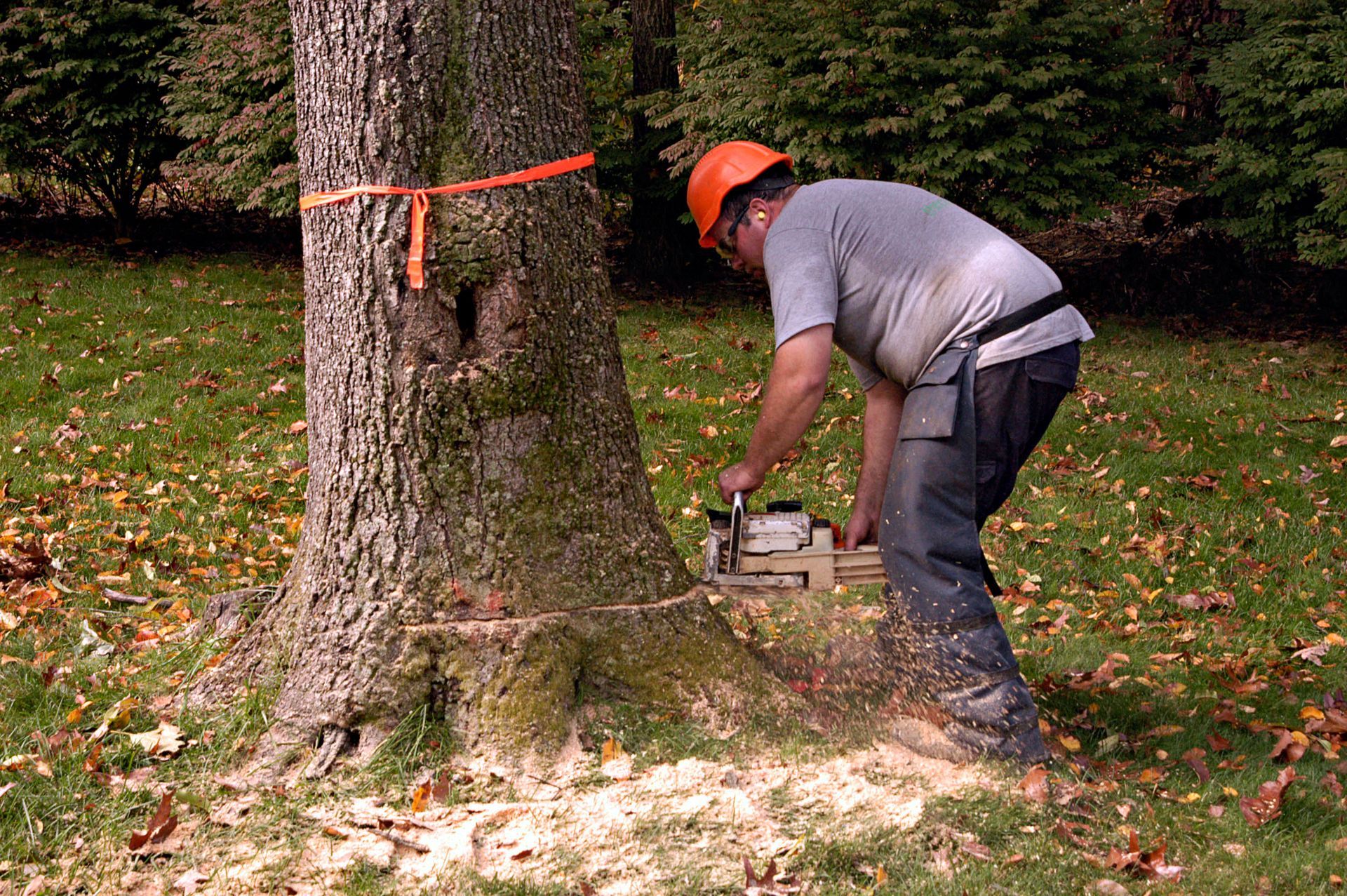
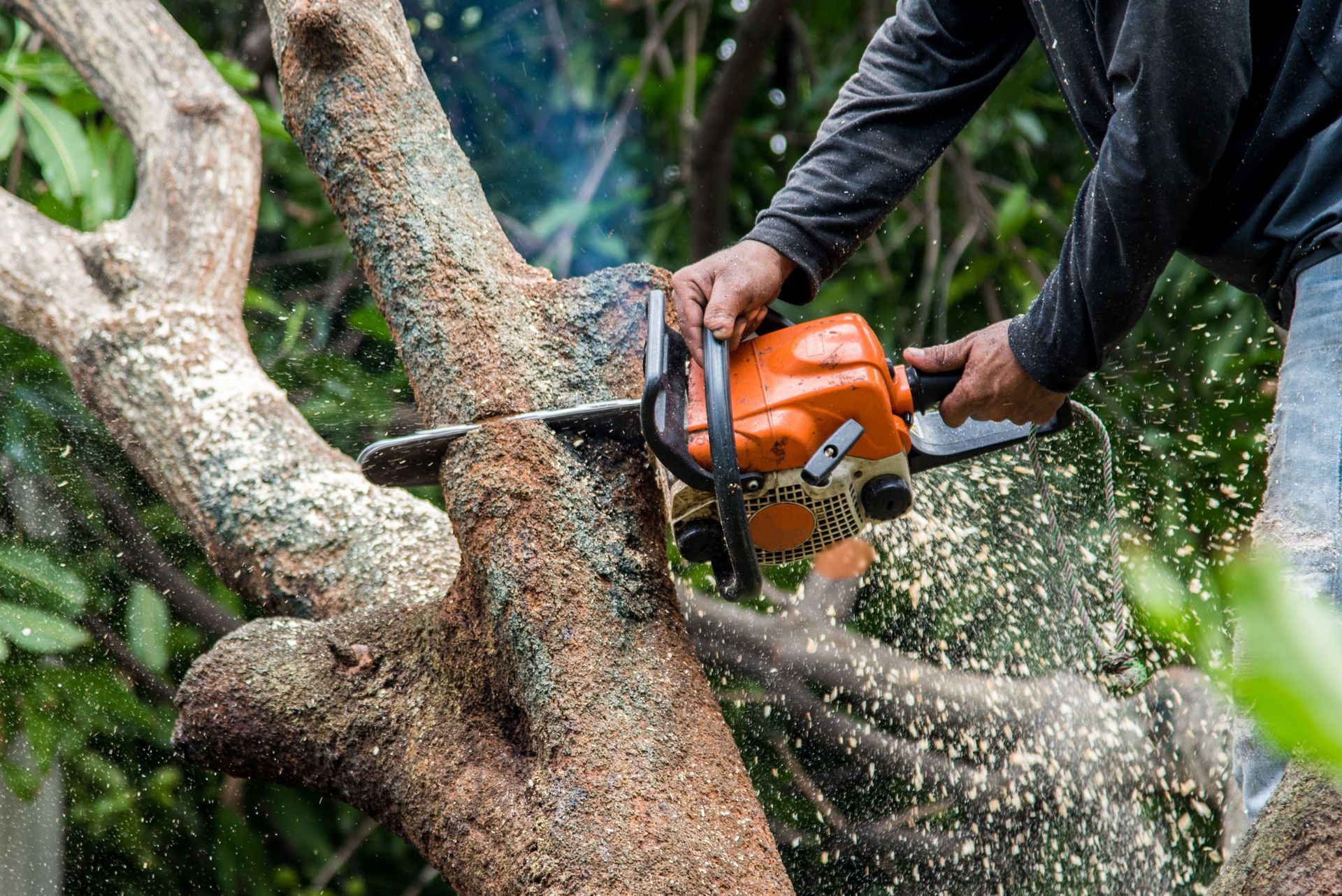
Chainsaws are unforgiving machines requiring immense physical strength and unwavering concentration. These powerful tools slice through solid oak in moments and inflict horrific injuries upon flesh at the same speed. Fatigue sets in during prolonged cutting sessions, causing operators to lose their grip. An exhausted homeowner wielding a heavy saw creates a recipe for a medical emergency. The physical toll of logging operations overwhelms individuals accustomed to lighter yard work.
Kickback remains the most prominent danger associated with chainsaw operation. This violent reaction occurs when the upper tip of the guide bar touches an object or when the wood pinches the chain. The force throws the saw back toward the operator with incredible speed. Modern saws feature chain brakes, but these mechanisms provide no guarantee of safety. Professional operators undergo rigorous training to avoid kickback zones.
Using cutting equipment at elevated heights introduces another layer of extreme peril. Homeowners attempt to reach broken limbs by standing on unsteady ladders while holding a heavy, running saw. The vibrations from the machine destabilize the ladder. A fall from a moderate height, while holding active machinery, results in devastating trauma. Arborists utilize bucket trucks and rope systems to secure themselves and their tools while working aloft.
Personal protective equipment serves as the final barrier between a worker and a fatal injury. Proper storm damage tree removal requires cut-resistant chaps, steel-toed boots, face shields, and heavy-duty helmets. The average resident heads out wearing denim jeans and basic gloves, offering zero protection against a spinning chain. Investing in professional services ensures personnel on site wear mandatory protective gear. The absence of this specialized clothing renders amateur operations hazardous.
The Financial Consequences of Improper Techniques
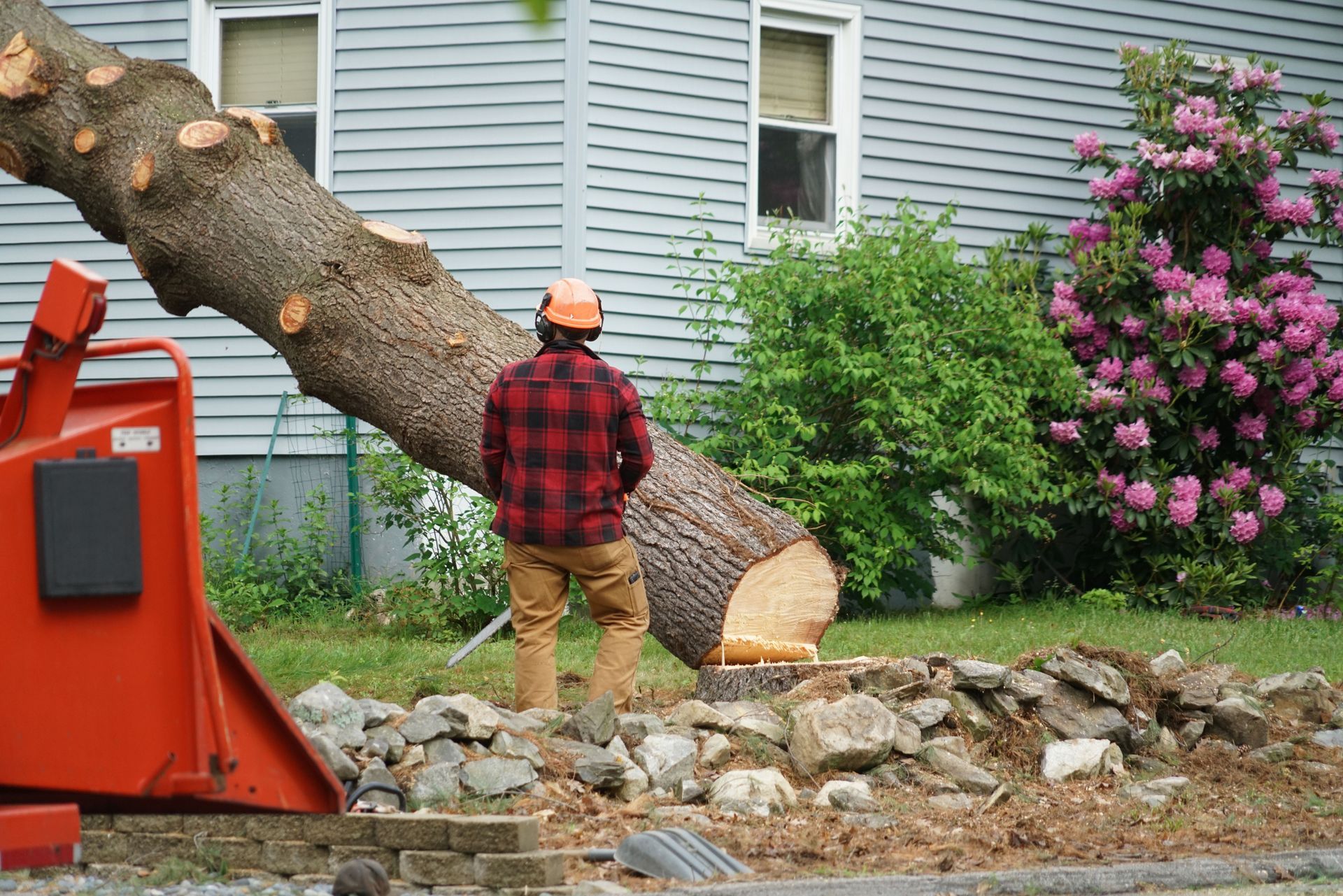
Beyond physical injuries, amateur logging attempts result in severe devastation to surrounding structures. Felling a compromised trunk requires precise directional cuts and an understanding of hinge wood dynamics. An incorrect notch causes the massive structure to fall in an unintended direction, crashing through roofs or vehicles. The kinetic energy of a falling trunk shatters rafters upon impact. Repairing these catastrophic blunders costs a fortune compared to hiring a professional crew.
Liability issues escalate when amateur cleanup efforts cause harm to adjoining properties or bystanders. If a misdirected branch strikes a neighboring house, the individual wielding the saw bears full financial responsibility for the repairs. Dropping debris onto public roads invites substantial fines and legal action from municipal authorities. Professional arborists carry comprehensive liability insurance to cover accidental harm. Homeowners operating without this coverage expose themselves to crippling lawsuits.
Insurance companies take a strict stance on unauthorized and hazardous repairs conducted by policyholders. Many homeowner policies stipulate that qualified contractors must perform high-risk property mitigation. Attempting complex logging tasks without proper credentials might void the coverage for any resulting harm. If a homeowner damages a roof while attempting to cut a leaning trunk, the provider will deny the claim. Using certified experts protects the validity of insurance policies.
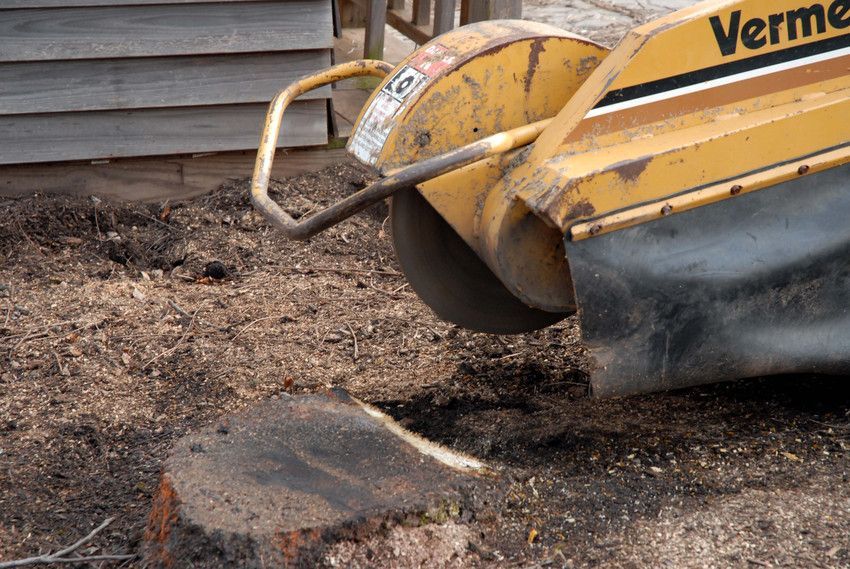
The hidden costs of amateur work extend to property cleanup and stump mitigation. Professional storm damage tree removal encompasses the felling of the timber, chipping of branches, hauling of logs, and grinding of the stump. Individuals attempting to clear yards end up with massive piles of unmanageable debris. Renting wood chippers adds exorbitant costs to an overwhelming task. Hiring comprehensive services provides a cost-effective resolution to the disaster.
Preserving human life and preventing catastrophic property harm must remain the priority following a severe weather event. Opting for professional storm damage tree removal ensures the landscape is restored with precision, expertise, and adherence to safety standards. Protecting the community means keeping chainsaws out of amateur hands and relying on qualified experts to clear the wreckage. If your yard has suffered from severe weather, let our team at Clean Cut Charlie handle the dangerous work of storm damage tree removal. Give us a call today, so we can safely clear your property while you stay safely indoors.