October 1, 2026
Understanding the core differences between tree pruning and tree trimming is essential for maintaining healthy, structural, and aesthetically pleasing urban canopies. This guide explores the distinct nuances of both practices, offering clear insights into their specialized techniques, timing, benefits, and long-term costs. Trees are a foundational component of our shared ecosystem, providing shelter and food for local wildlife, enhancing residential property values, and contributing to global carbon sequestration. With proper care, trees can flourish and offer these vital environmental benefits for generations. Choosing to partner with a professional tree service ensures your property receives expert care tailored to the biology of every species. This comprehensive overview will equip you with the knowledge to make informed decisions about your ongoing landscape care.
Tree pruning involves the selective removal of specific branches to improve a tree’s structural integrity, health, and overall growth patterns. The primary purpose of pruning is to eliminate dead, dying, or diseased branches, reduce the risk of hazardous falling limbs, and provide critical clearance for residential structures or overhead utility lines. Furthermore, strategic pruning enhances the visual canopy by shaping it to maintain an attractive, balanced form that distributes wind loads evenly. Pruning is also vital for fruit-bearing trees, as selectively removing excess limbs increases light exposure to inner branches, thereby maximizing fruit quality and harvest yield.
Pruning contributes significantly to the long-term vitality of growing trees. By removing weakened or infected branches, it prevents the rapid spread of fungal pathogens and reduces susceptibility to destructive insect pests. This process reduces overall physical stress on the tree, allowing it to redirect vital nutrients toward healthier, stronger limbs. Additionally, controlled pruning encourages robust structural growth, leading to a denser, more resilient canopy. Trees that are regularly pruned by an experienced tree service demonstrate superior resistance to severe storm damage due to their fortified branch architecture and balanced weight distribution.
There are several specialized techniques employed during pruning, each designed to achieve specific biological outcomes. Crown thinning involves selectively removing inner branches to increase sunlight penetration and air circulation throughout the canopy. Crown raising eliminates lower branches to provide functional clearance for pedestrians, vehicles, or nearby buildings. Crown reduction, often used to manage overall tree size safely, involves cutting back leaders and branch terminals to structural lateral branches capable of sustaining the load. Applying these advanced techniques correctly ensures every tree receives precise care tailored to its species and age.
The timing and frequency of pruning interventions are crucial for maximizing physiological effectiveness. Generally, late winter is the ideal window for major pruning because the tree is dormant, which minimizes sap loss and stimulates vigorous spring growth. Pruning during dormant months also significantly reduces the risk of spreading disease spores or attracting pests to fresh cuts. Conversely, heavy pruning during the late autumn is strongly discouraged, as it can stimulate delicate new growth that will freeze and die during early winter cold snaps.
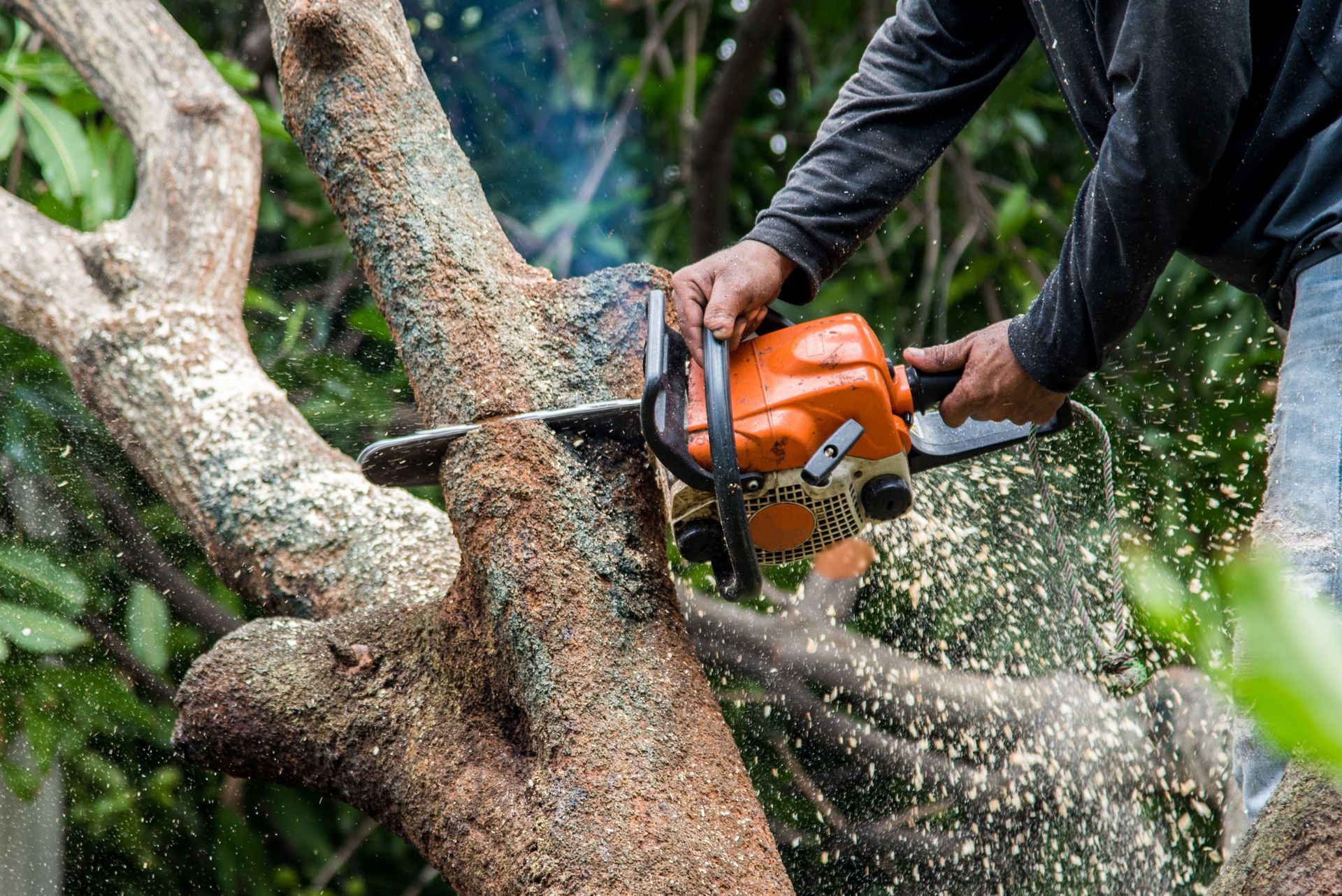
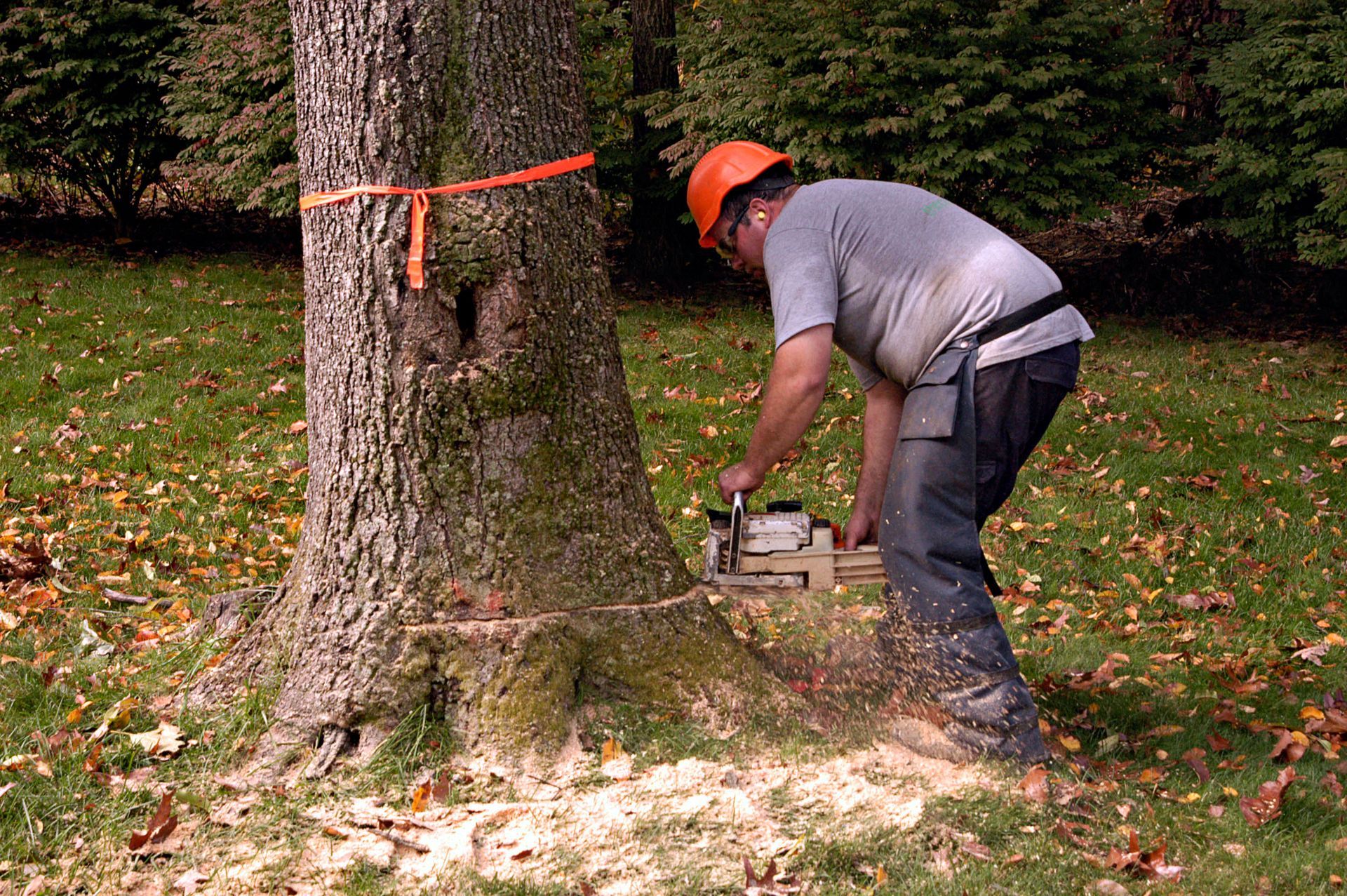
Professionals rely on specialized tools designed for precise execution and rapid wound closure. Hand shears are ideal for small twigs, while heavy-duty loppers tackle thicker limbs up to two inches in diameter. For structural branches, a heavy-cut pruning saw or chainsaw is required. Telescoping pole pruners allow technicians to reach high branches safely without relying on unstable ladders. Utilizing clean, sharp tools ensures smooth, precise cuts that promote efficient bark compartmentalization.
The Basics of Tree Trimming
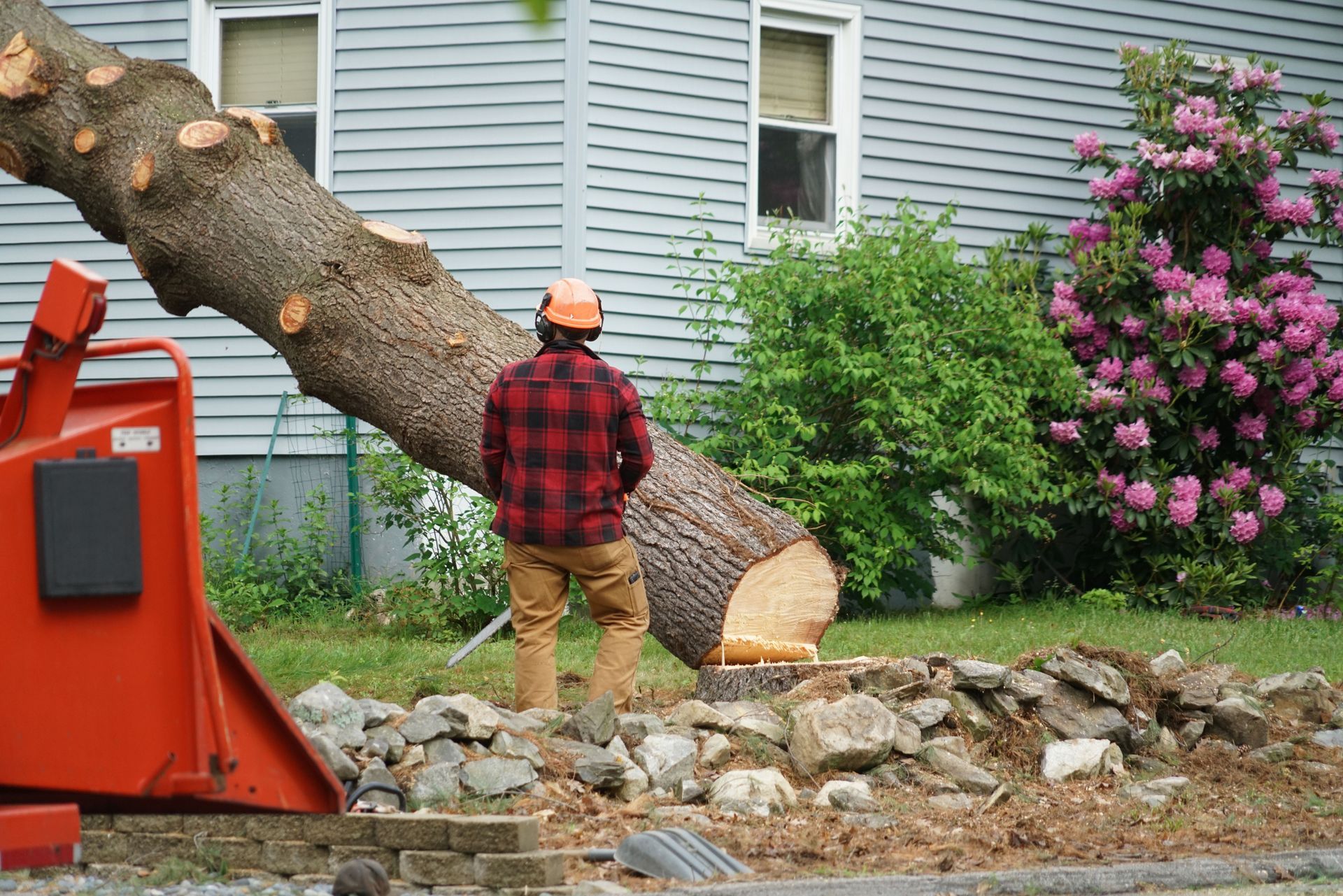
While pruning focuses heavily on tree biology and health, tree trimming focuses primarily on managing overgrown foliage to maintain a clean size, shape, and appearance. This practice ensures that trees complement the surrounding landscape architecture while maintaining critical safety clearances around human activity. Unlike health-focused pruning, trimming is largely about controlling aesthetic symmetry and external boundaries. Regular trimming prevents branches from encroaching on roofs, entangling with power lines, or blocking pedestrian walkways. It remains a vital component of routine property maintenance that keeps outdoor spaces neat, safe, and visually unified.
Trimming plays a powerful dual role by elevating visual appeal while simultaneously reducing property hazards. A clean, well-proportioned canopy dramatically improves the curb appeal of any home or commercial property, projecting a well-maintained environment. Furthermore, trimming back overgrown branches prevents unexpected limb failure during high winds, protecting vehicles, siding, and roofs from costly damage. Scheduling routine work with a reliable tree service prevents overgrown foliage from escalating into structural hazards, eliminating the need for drastic, high-cost emergency intervention later.
Comparing Pruning and Trimming
Although tree pruning and trimming both involve cutting branches, they address completely different goals. Pruning is a targeted biological practice designed to protect tree health, structural integrity, and longevity. Trimming is an aesthetic and space-management practice designed to shape foliage and maintain orderly property boundaries. While both methods involve careful cutting, pruning demands a deeper knowledge of tree anatomy and compartmentalization. Each practice plays an important role in holistic landscape management, but recognizing their distinct goals helps property owners choose the correct application.
Despite these differences, both approaches deliver overlapping benefits that support general property wellness. Both practices successfully eliminate dead or damaged wood that could otherwise pose safety risks. Furthermore, both trimming and pruning open up dense canopies to allow better sun exposure and wind passage, which reduces disease pressure. By managing branch density, both practices encourage strong central leaders and balanced forms, ensuring trees remain beautiful, safe, and structural assets to the property.
The decision to prune or trim depends entirely on the specific condition of the specimen and your primary goals. If branches are interfering with structures, impeding views, or growing out of proportion, light trimming is the ideal remedy. If a tree displays signs of disease, structural instability, or dangerous branch angles, structural pruning becomes immediately necessary. According to The Spruce, medium trees are typically 10 to 20 feet tall, while extra-large trees like cottonwoods can exceed 50 feet in height. Understanding these physical scale differences helps owners determine the exact care strategy and equipment required.
Common Misconceptions
A frequent misconception regarding pruning is that removing living branches inherently harms or weakens the tree. When executed correctly using proper collar cuts, pruning actually stimulates health by directing resources toward the strongest limbs. Another myth is that trees can be pruned heavily at any point during the year; in reality, improper timing can cause severe sap loss or disease exposure. Many people also assume that tree cutting requires no training, whereas amateur cuts often cause permanent structural decay, bark tears, and health decline.
Many property owners view trimming as a purely cosmetic task with no functional value. While visual improvement is a primary goal, trimming plays a crucial safety role by removing heavy limb tips before they overload during ice or storm events. There is also a common myth that DIY trimming is simple and risk-free. In truth, improper trimming techniques can easily strip bark, leave ugly stubs, and expose trees to devastating insect infestations.
It is also commonly believed that professional tree maintenance is prohibitively expensive. However, proactive care costs far less than managing emergency property damage caused by fallen limbs. Another misconception is that every tree needs annual heavy pruning, whereas many mature trees only require minor maintenance every few years. Finally, some assume working on small trees carries no danger, but even small branches can cause serious injury or electrical hazards if dropped improperly.
Both pruning and trimming are indispensable tools for maintaining healthy, safe, and beautiful landscapes. Understanding their unique roles allows property owners to choose the right care at the right time. Whether you need structural pruning for a young oak or routine trimming for an overgrown maple, relying on expert guidance guarantees optimal results. To keep your property looking its absolute best while protecting your investments, schedule your next maintenance visit with Clean Cut Charlie.