October 2, 2026
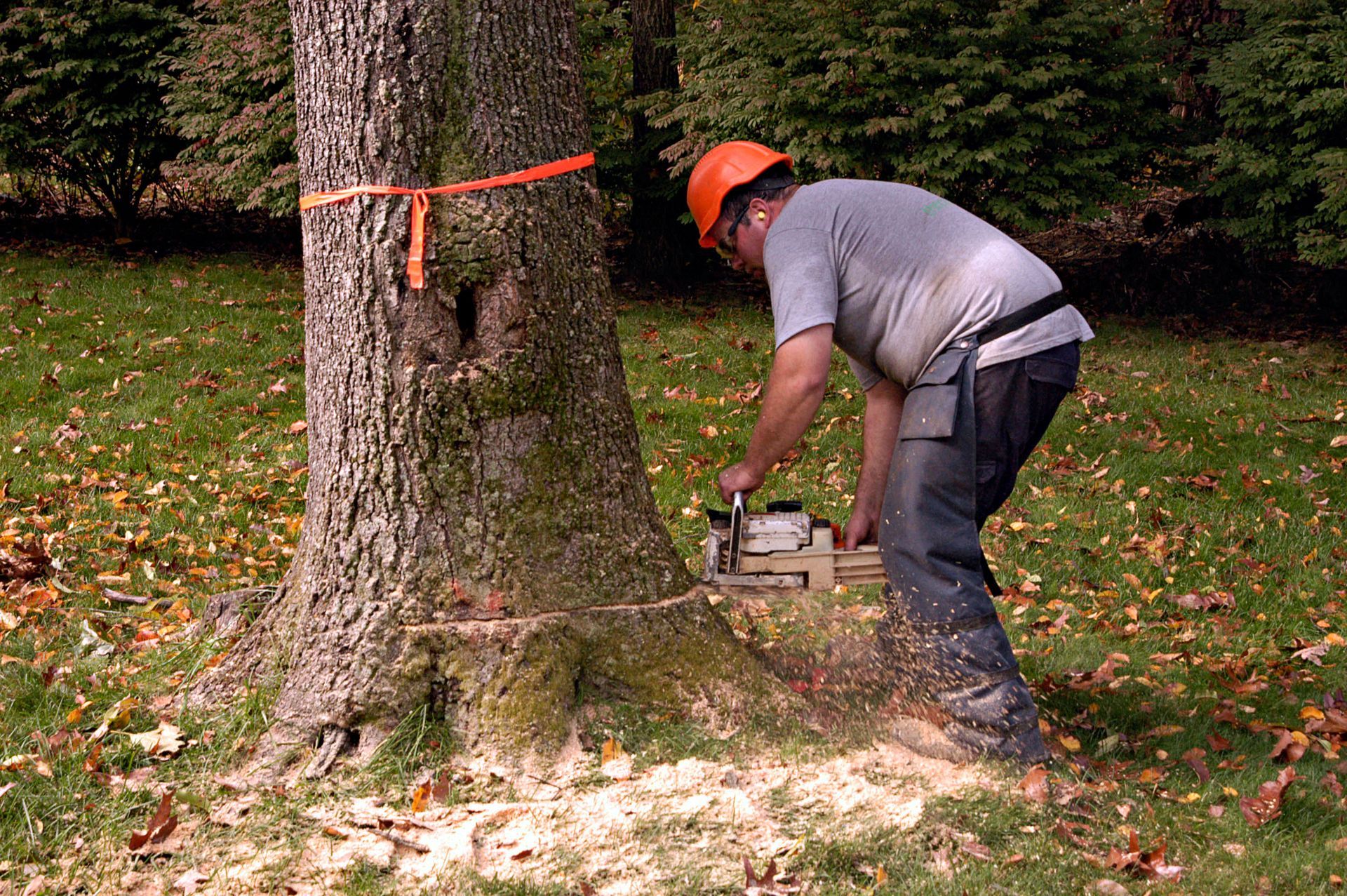
Removing a tree can change the appearance and usability of a property, but the remaining stump can create a different set of concerns. The answer depends on the stump’s size, condition, location, and the method used to address it. Understanding these factors can make planning easier and help property owners choose an appropriate timeline.
Understanding Why Stumps Take Time to Disappear
A stump does not necessarily stop affecting the landscape when the tree is cut down. Living roots may continue producing shoots, while the remaining wood gradually loses moisture and begins to break down. Natural decomposition depends on moisture, temperature, oxygen, fungi, insects, and the type of wood involved. A large hardwood stump can therefore remain visible for a long time.
The location of the stump can also affect how quickly moisture reaches the wood. Shade, airflow, soil conditions, and remaining live tissue can influence what happens after the main trunk is removed. Two stumps on nearby properties may therefore have very different timelines.
For homeowners considering tree services, the useful question is often how soon the area needs to be cleared. Waiting for decomposition may not fit a larger property improvement plan.
Comparing Natural Decay With Physical Removal
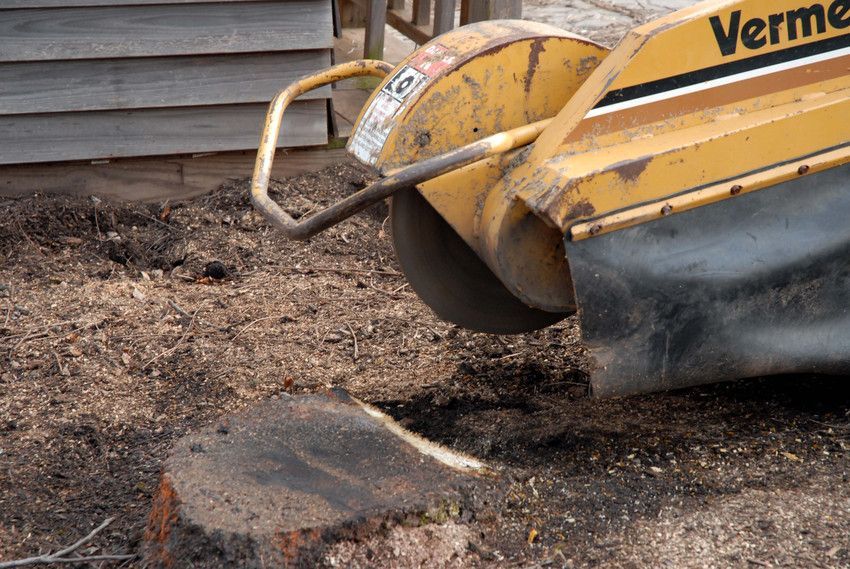
Natural decay is generally measured in months rather than days, which is why tree services can be useful when timing matters. According to Bob Vila, covering a tree stump with a tarp can take as long as 6 months to cause it to die. The publication also explains that physical stump grinding can take as little as about 15 minutes or several hours, depending on the stump’s size.
These timelines illustrate why the preferred approach depends on the property owner’s goals and how quickly the space needs to be cleared. Grinding reduces the visible stump to wood chips below the surrounding grade, allowing the area to be prepared for future landscaping. The exact duration varies with stump diameter, root structure, access to the property, and nearby obstacles.
Considering the Factors That Affect Decomposition
Several conditions influence how quickly a stump breaks down. Wood species matter because some varieties are naturally more resistant to decay than others. Larger stumps also contain more material to decompose, extending the overall timeline. A stump that remains relatively dry may break down more slowly than one exposed to consistently moist conditions.
Seasonal conditions can also affect decomposition. In Middle Tennessee, changing temperatures and periods of rainfall can create different conditions for wood decay throughout the year. Even when conditions encourage decomposition, a homeowner may still be left with a substantial stump long after the original tree has been removed.
Recognizing Why Stump Size and Location Matter
The stump’s physical characteristics can affect both removal time and the complexity of the work. A small stump in an open section of lawn may be easier to access than a large stump positioned close to a home, fence, driveway, utility feature, or established landscaping. Larger root systems can also extend beyond the visible stump.
Accessibility is particularly relevant because equipment must be positioned safely around the property. Narrow gates, slopes, landscaping, structures, and overhead features may influence how the work is planned. Professional tree services can evaluate these conditions before determining how to proceed.
Planning for Seasonal Property Changes
A stump may become more noticeable when homeowners are preparing their yards for a new season. During fall, leaves and changing weather can draw attention to damaged or unfinished areas of a landscape. In winter, bare trees and reduced foliage can make remaining stumps easier to identify. As spring arrives, homeowners may begin planning gardens, lawn improvements, outdoor living areas, or other landscaping projects that require usable ground.
Addressing a stump before a planned property improvement can help avoid delays later. It can also reduce the chance that a hidden or awkwardly positioned stump interferes with mowing, landscaping, construction preparation, or regular movement through the yard. Scheduling tree services before a busy landscaping season may give property owners more flexibility when planning outdoor projects.
Evaluating Safety and Property Concerns
A stump can present more than an aesthetic issue. Depending on its location, it may become a tripping obstacle or interfere with lawn equipment. A decaying stump can also attract insects and fungi as the wood breaks down. While those organisms are part of natural decomposition, their presence may be undesirable when the stump is close to structures, frequently used areas, or carefully maintained landscaping.
Stumps can also continue to produce new growth in some circumstances. Routine tree services may help keep the surrounding landscape manageable. When a stump is associated with a tree removed because of disease, structural problems, or storm damage, evaluating the surrounding area can be especially important before planning additional landscaping.
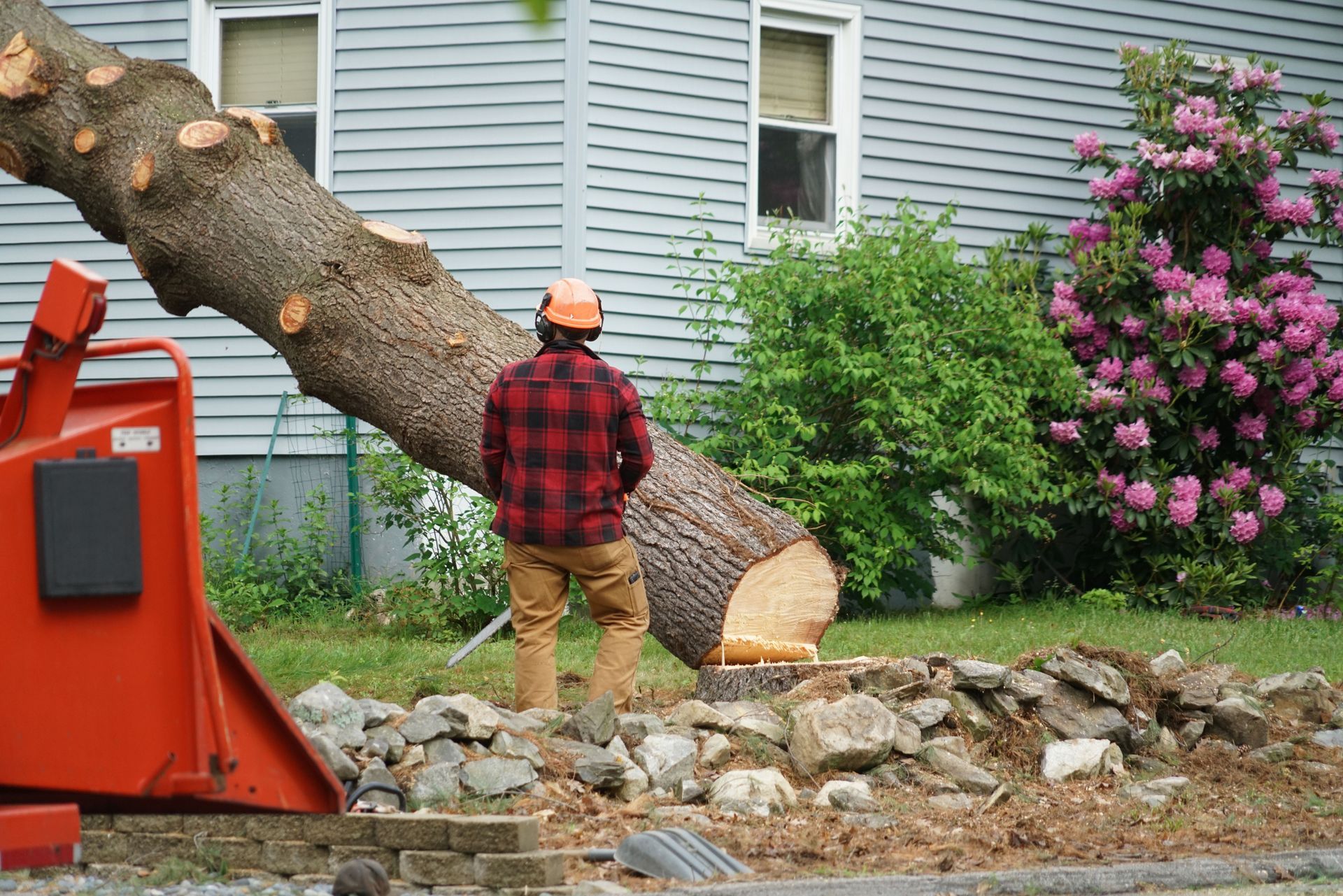
After severe weather, a newly exposed stump can be part of a larger cleanup project. Storm-damaged trees may leave branches, roots, or debris nearby, making it useful to evaluate the entire area rather than viewing the stump as an isolated issue. Professional tree services can help organize that assessment and determine which concerns should be handled first.
Choosing Professional Removal for a Clearer Timeline
For homeowners who need a predictable timeline, professional removal can provide a more direct path than waiting for natural decomposition. Stump grinding equipment is designed to break down the visible wood into smaller pieces, often allowing the remaining area to be restored more quickly than natural decay would permit. The work still requires careful planning because roots, buried objects, utilities, and surrounding features may affect the process.
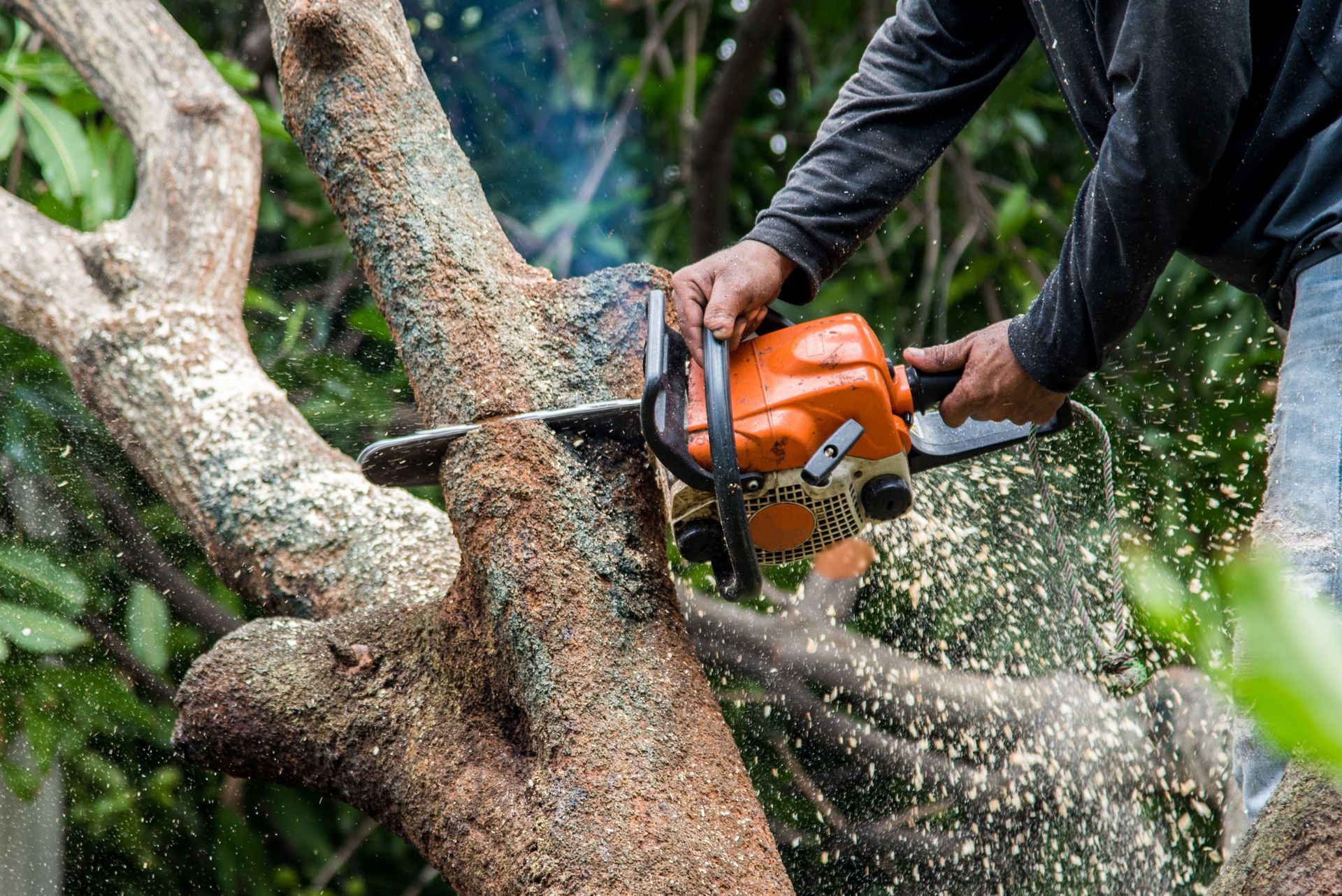
Professional tree services can also evaluate whether stump removal should be coordinated with other property needs. For example, a homeowner may be planning tree trimming, removal of another hazardous tree, land clearing, or storm-related cleanup at the same time. Coordinating related work can make it easier to address multiple landscape concerns within a single project.
Preparing for Professional Stump Removal
Before scheduling removal, property owners can consider how they want to use the area afterward. A lawn may require different preparation than a garden, walkway, fence, or construction project. Knowing the intended use helps establish what needs to happen after the stump is removed, including whether the area should be leveled, filled, or prepared for new landscaping.
Access should also be discussed during the estimate process. Gates, driveways, slopes, landscaping, and nearby structures may affect equipment placement. Professional tree services can account for these conditions when assessing the project and developing a plan that fits the property.
Understanding Why Waiting Is Not Always Necessary
Waiting for a stump to disappear naturally can make sense when the area is not needed immediately, and the property owner is comfortable with a long timeline. However, natural decomposition is difficult to predict precisely. A stump can remain visible for months or longer, and the process may not align with landscaping or property improvement plans.
It can also be appropriate when the stump creates a recurring obstacle or sits in a location where leaving it in place is inconvenient. The right timeline ultimately depends on the condition of the stump and the property owner’s goals.
Planning the Next Step for a Healthier Landscape
Understanding stump removal timelines helps homeowners plan outdoor improvements. Natural decomposition can take months, while professional grinding can provide faster results. Stump size, wood type, accessibility, weather, and the area’s intended use all affect the timeline.
In many cases, the goal is to create a safe, usable surface rather than remove every underground root. For commercial properties, coordinating stump work with maintenance or construction schedules can also help minimize disruptions.
For property owners in Clarksville and Middle Tennessee, Clean Cut Charlie offers tree removal, land clearing, stump services, trimming, and emergency response for residential and commercial properties. Contact the team to request an estimate.