July 30, 2026
The importance of removing dead or dying trees can often be underestimated, yet it holds significant implications for safety, property protection, and environmental health. These trees, if left unchecked, can become hazardous over time and negatively impact their surroundings. Property owners may not always realize the potential risks involved with retaining such trees until it is too late. This article explores the compelling reasons why this task should not be delayed and highlights the consequences of inaction. By understanding these factors, individuals can make informed decisions that align with both personal safety and ecological responsibility.
1. Risk of Falling Branches and Trees
a. Immediate Danger to People
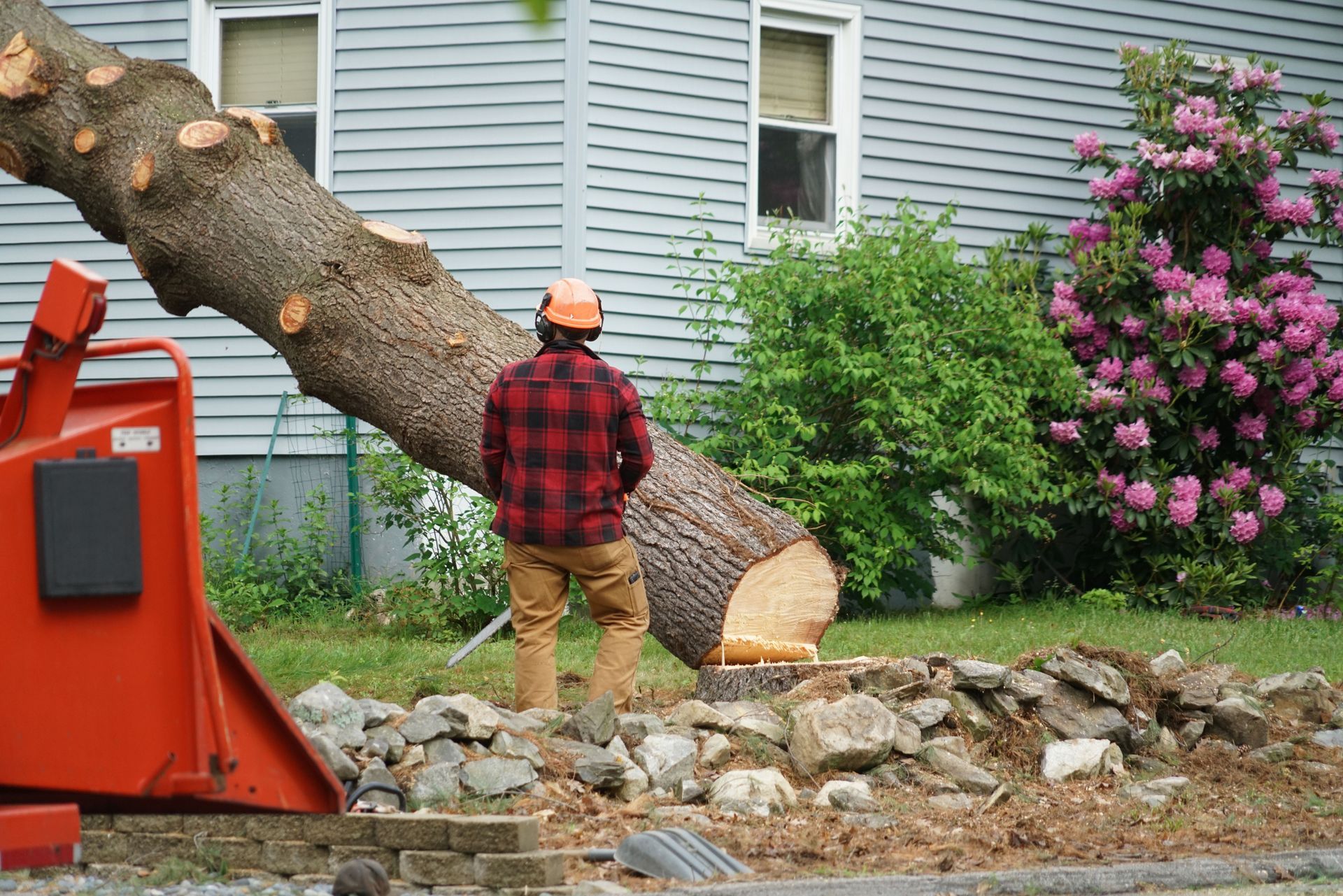
Dead or dying trees pose a significant threat to human safety, as they can unexpectedly shed branches or fall over entirely. This risk is particularly concerning in areas frequented by people, such as parks and residential neighborhoods. Individuals may find themselves injured by falling branches, leading to severe physical harm or even fatalities. Additionally, children playing outdoors or pedestrians walking beneath such trees are in constant danger. Proactively removing these trees can prevent such unfortunate incidents and offer peace of mind to the community.
b. Potential Damage to Property
The structural instability of dead or dying trees also presents a considerable risk to nearby property, including homes, vehicles, and other structures. Branches can fall and cause significant damage to roofs, windows, and walls, resulting in costly repairs. In more severe cases, entire trees may topple during storms or high winds, causing catastrophic damage to homes and businesses. The financial implications of such damage can be substantial, and homeowners' insurance may not fully cover these incidents. Removing these trees promptly can safeguard property from potential harm and reduce financial strain.
c. Hazards in Severe Weather Conditions
Weather conditions can exacerbate the risks associated with dead or dying trees, transforming them into formidable hazards. High winds, heavy rainfall, and snow accumulation can weaken already compromised structures, increasing the likelihood of breakage or collapse. During storms, homeowners may experience power outages and blocked access to driveways as fallen trees interfere with infrastructure. Emergency responders may also face challenges reaching affected areas due to blocked pathways. Addressing tree health before severe weather strikes ensures community safety and minimizes the impact of natural disasters.
d. Legal Liabilities and Responsibilities
Property owners are often legally responsible for the potential hazards posed by dead or dying trees on their land. If a failing tree causes injury or property damage, the owner may face legal claims for negligence. Such legal ramifications can be both expensive and damaging to one's reputation in the community. Taking proactive measures to remove hazardous trees demonstrates due diligence and reduces the risk of legal action. This responsibility highlights the importance of regular tree inspections and timely tree care services.
e. Emergency Scenarios and Rapid Response
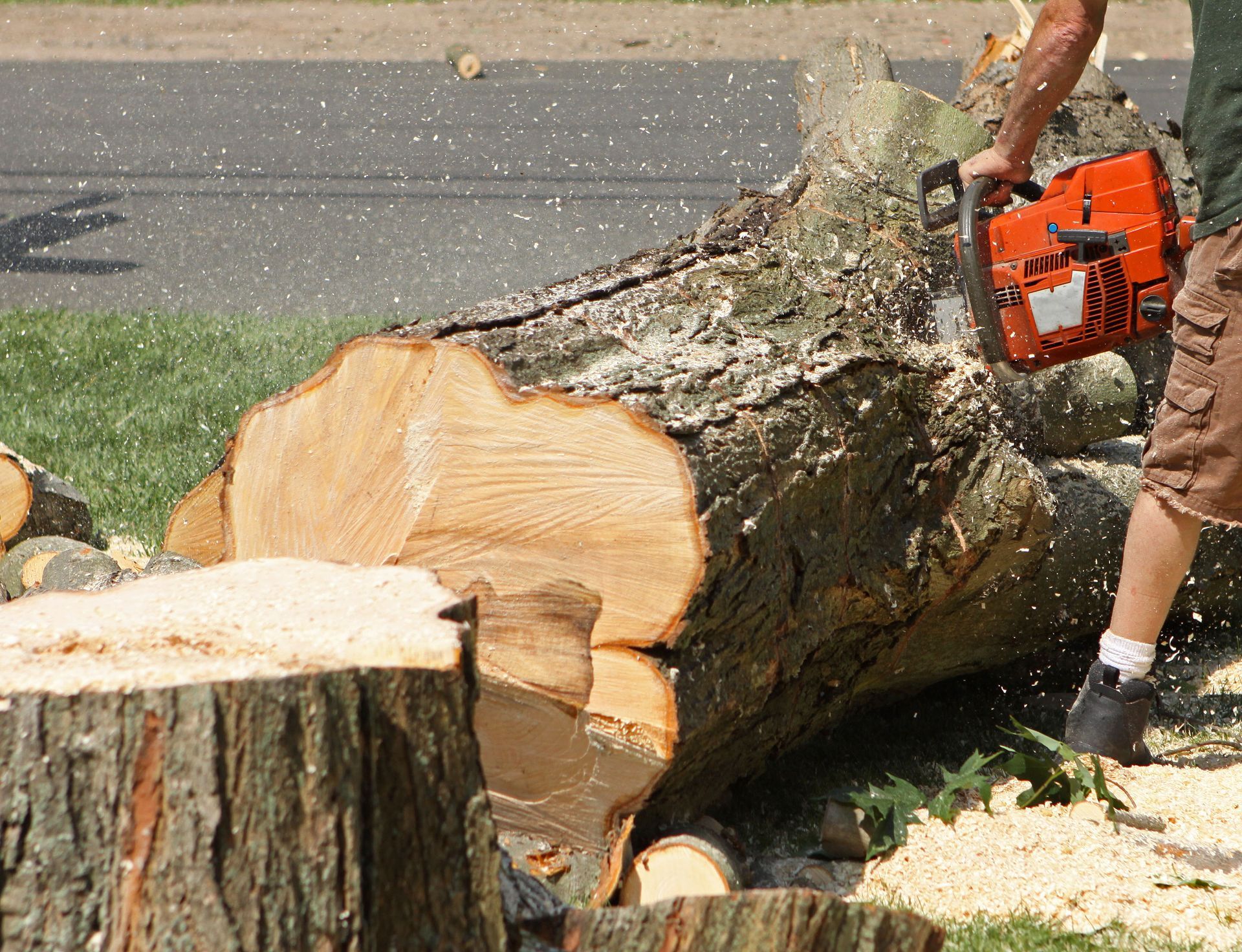
In cases of emergency or sudden tree failure, fast action is crucial to prevent further damage and restore safety. Emergency responders require clear access to manage crisis situations effectively, and fallen trees can obstruct these efforts. Delays in response times can exacerbate injury or damage, prolonging recovery and incurring additional costs. By removing dead or dying trees, property owners can help maintain open access for emergency services. This proactive approach aids in the community's resilience against unforeseen calamities.
2. Prevention of Pest Infestations
a. Attraction of Insects and Rodents
Dead or dying trees often attract a range of pests, including insects and rodents, which thrive in decaying organic matter. These organisms may establish colonies within the tree, multiplying rapidly due to the abundant food source. As pests proliferate, they may venture into nearby structures such as homes and garages, creating infestations. Infestations pose significant health risks and can result in costly pest control measures. Removing these trees can disrupt pest habitats, reducing the likelihood of infestations and protecting property integrity.
b. Spread of Disease to Other Trees
Diseased trees are particularly hazardous as they can spread illness to nearby healthy trees, compromising the broader ecosystem. Fungi, bacteria, and viruses can easily move from one tree to another, threatening the health of entire groves. According to the University of Maryland Extension, if over 50% of the root system is damaged, a tree should probably be removed, as disease transmission becomes likely. The resultant decline in tree health can diminish air quality and disrupt local wildlife habitats. Early intervention by removing diseased trees prevents further spread and maintains the vitality of the ecosystem.
c. Complications for Landscaping
Pest-infested or diseased trees can create challenges for landscaping and garden enthusiasts. As pests spread, they can damage other plants and compromise carefully curated landscapes. Gardeners may need to invest in additional treatments and interventions to protect their greenery, increasing maintenance costs. Dead trees also detract from the visual appeal of a garden, diminishing its overall aesthetic. By ensuring the removal of such trees, gardeners can preserve their landscapes and enjoy the fruits of their labor without undue hassle.
d. Maintenance of Healthy Ecosystems
Healthy trees play a critical role in sustaining ecosystems, providing shelter and sustenance for a variety of wildlife. The presence of dead or diseased trees disrupts this balance, affecting species that rely on robust habitats. These imbalances can lead to declines in biodiversity and interrupt the intricate web of interactions among species. Proactively addressing tree health ensures the continuation of these essential ecosystems. This commitment to biodiversity supports environmental health and fosters resilience against ecological change.
3. Property Value Protection
a. Aesthetic Appeal of Property
The visual appearance of a property is a key factor in its perceived value. Dead or dying trees can significantly detract from the overall aesthetic, giving a neglected or unkempt impression. Prospective buyers may be dissuaded by such appearances, impacting the property’s marketability. Ensuring trees are healthy or promptly removed boosts curb appeal and property attractiveness. This appeal is essential for maintaining competitive property values in real estate markets.
b. Prevention of Devaluation
Properties with visible signs of neglect, such as dead trees, face the risk of devaluation, affecting potential resale value. Appraisers take the condition of landscaping into account when assessing property worth, and diseased trees can negatively impact these assessments. By maintaining healthy tree populations and removing compromised ones, property owners protect against depreciation. This proactive approach secures financial investments and enhances future opportunities in property sales. Such considerations are crucial for homeowners seeking long-term value retention.
c. Enhancements to Property Marketability
Marketability is enhanced by properties that exemplify care and maintenance, showcasing vibrant landscapes. A well-maintained property with flourishing trees is more likely to attract potential buyers or tenants, increasing competitive advantage. Buyers prioritize properties with established, healthy landscapes, viewing them as easier to maintain and more enjoyable living spaces. Removing dead or dying trees contributes to a positive first impression, increasing the likelihood of successful transactions. This careful attention to property detail fosters market success and client satisfaction.
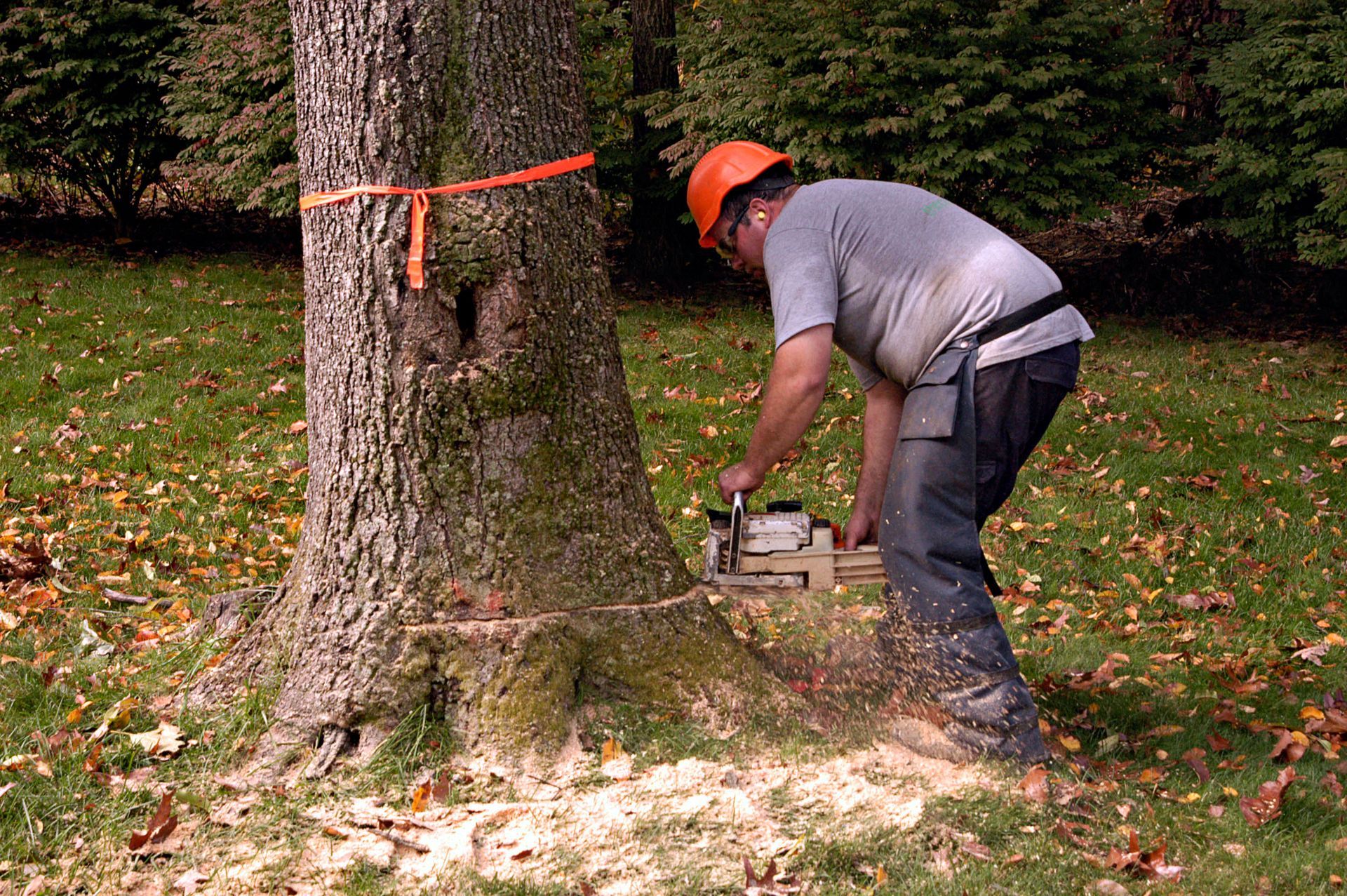
Dead or dying trees present more than an eyesore or mild inconvenience; they pose real dangers and can have far-reaching impacts. Addressing the problem promptly ensures safety, protects property values, and promotes a healthier environment. Through responsible management and proactive tree care, property owners can contribute positively to community well-being. The importance of removing these trees is underscored by the potential risks they pose to safety and ecological health. It is essential for individuals to act decisively, ensuring secure and vibrant landscapes for present and future generations. Be sure to reach out to Clean Cut Charlie today to learn more about our professional tree removal!