May 27, 2026
Severe weather events such as hurricanes and tornadoes can cause widespread damage to landscapes and properties. One of the most pressing concerns after a storm is handling fallen or unstable trees through proper storm damage tree removal. This process is essential for restoring safety, protecting property, and maintaining environmental balance.
Storm-damaged trees often create hidden risks that require careful evaluation and planning. Using the right approach to storm damage tree removal helps reduce hazards while ensuring efficient cleanup and recovery.
Assessing the Damage
Evaluating Tree Stability
After a storm, trees that appear intact may still have compromised root systems or structural weaknesses. Leaning trunks, cracked bark, or lifted roots are all signs that a tree may fall unexpectedly. A proper inspection helps determine whether storm damage tree removal is necessary. Professional evaluation is often recommended because internal damage is not always visible. Identifying instability early prevents further issues and improves overall safety.
Identifying Immediate Hazards
Broken limbs, hanging branches, and trees resting on structures or power lines must be addressed quickly. These hazards can escalate rapidly if not handled properly. According to Zipdo, 35% of tree service demand in the U.S. is for storm damage repairs, particularly after hurricanes and tornadoes. Quick identification of risks allows crews to prioritize storm damage tree removal tasks effectively. This approach reduces the likelihood of additional property damage or personal injury.
Estimating Damage Severity
Damage assessment includes both visible destruction and potential internal issues like decay or pest activity. Some trees may be salvageable, while others require full removal. Understanding severity helps guide the storm damage tree removal process.
Accurate evaluation ensures that time and resources are used efficiently. It also supports safer planning for removal operations.
Prioritizing Tree Removal
Trees that pose immediate threats to people, homes, or infrastructure should always be handled first. Prioritization allows teams to focus on the most urgent storm damage tree removal needs. This structured approach improves safety and workflow efficiency.
Organizing tasks also helps prevent delays and confusion during large-scale cleanup efforts. Clear priorities make the entire process more manageable.
Consulting with Professionals
Working with experienced professionals can make a significant difference in the outcome of storm damage tree removal. Arborists and trained crews have the knowledge and tools to handle complex situations safely. Their expertise reduces risks and improves efficiency. Professional guidance also helps property owners understand potential hazards and proper procedures. This ensures that removal is completed correctly and responsibly.
Safety Precautions to Consider
Personal Protective Equipment
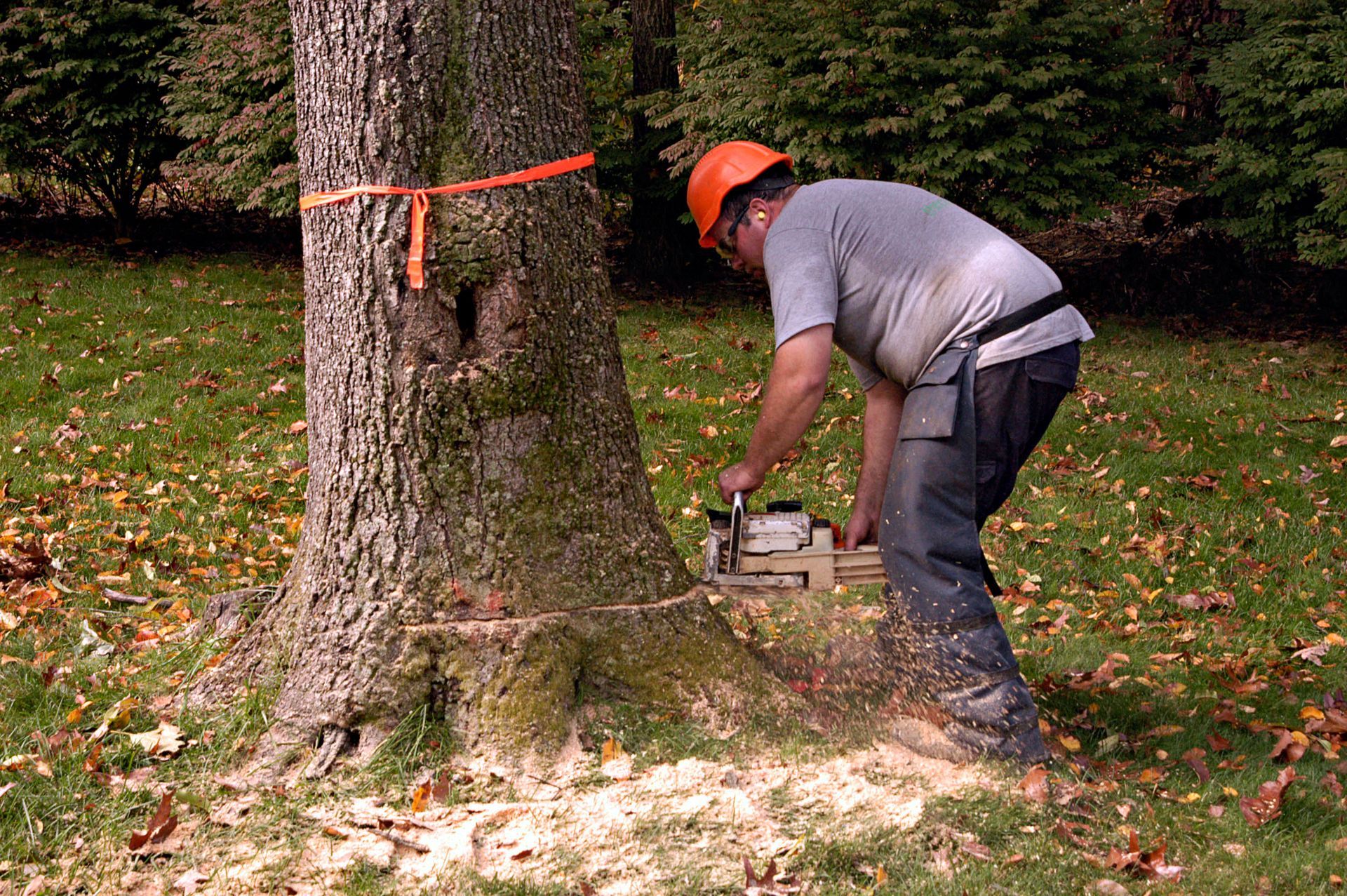
Using proper protective gear is essential during storm damage tree removal. Helmets, gloves, eye protection, and sturdy footwear help reduce the risk of injury. These items provide a basic layer of defense against falling debris and sharp tools. Consistent use of protective equipment supports a safer work environment. It is one of the simplest ways to prevent accidents during cleanup.
Understanding Electrical Hazards
Storm-damaged trees often come into contact with power lines, creating serious electrical risks. These situations require extreme caution and should never be handled without proper training. Coordination with utility providers is often necessary. Ignoring electrical hazards can lead to severe injuries or worse. Safe storm damage tree removal always includes identifying and managing these dangers.
Safe Chainsaw Practices
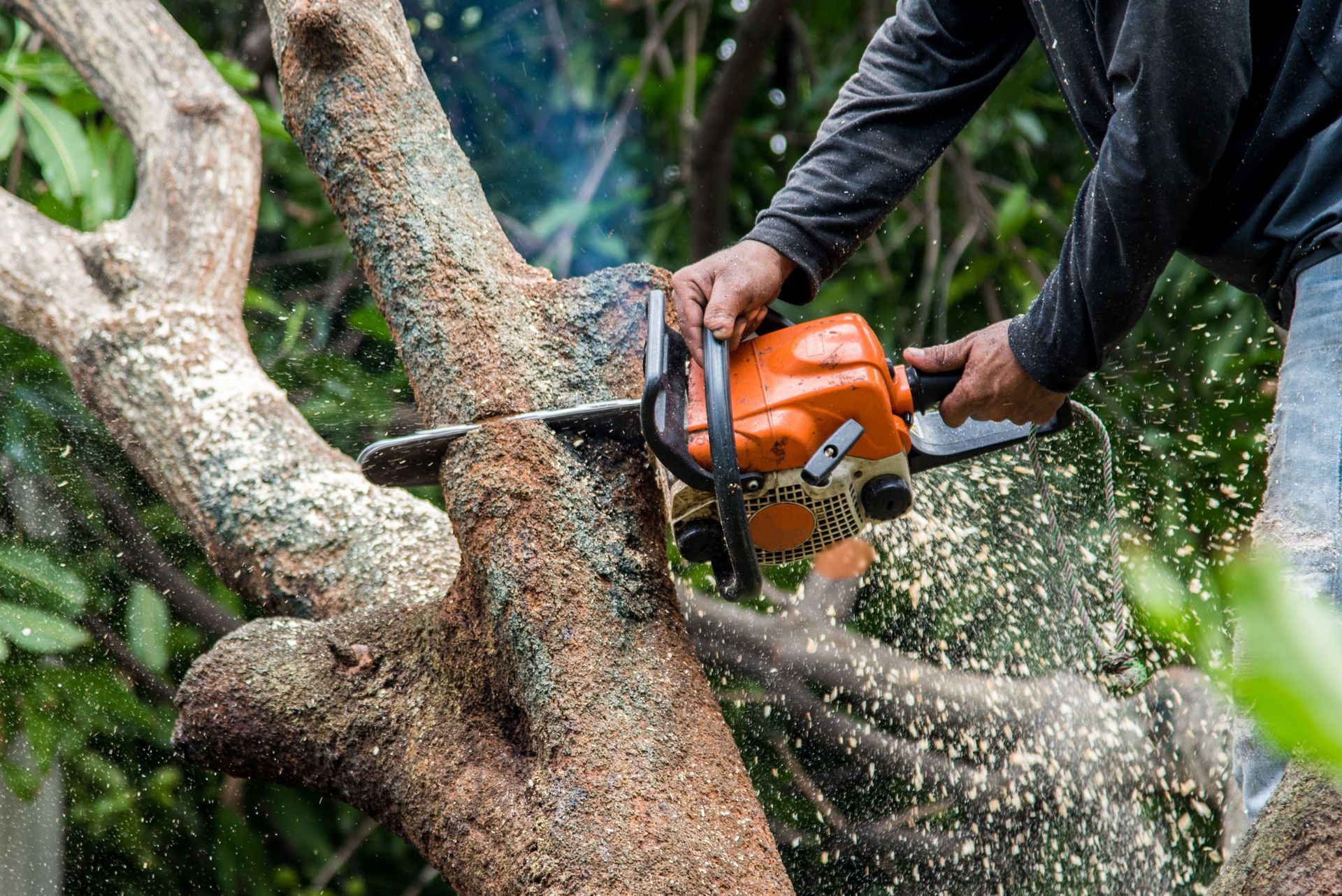
Chainsaws are commonly used in storm damage tree removal, but they must be handled with care. Proper technique, including stance and grip, plays a major role in safe operation. Regular maintenance ensures the equipment functions correctly.
Understanding risks like kickback can prevent accidents. Skilled operation improves both safety and efficiency.
Avoiding Ladder Use
Using ladders in unstable, debris-filled environments can be dangerous. Uneven ground and shifting materials increase the risk of falls. Safer alternatives like pole saws or aerial equipment are often preferred. Choosing stable tools improves control and reduces hazards. This is especially important during storm damage tree removal.
Emergency Protocols
Clear emergency procedures are essential during any removal project. Teams should be prepared with first aid supplies and emergency contact information. Knowing when to stop work is equally important. Well-practiced protocols allow for faster response times in critical situations. This helps maintain safety throughout the process.
Choosing the Right Equipment
Selecting the Appropriate Chainsaw
The right chainsaw depends on the size and type of tree being removed. Larger trees require more powerful equipment, while smaller jobs can be handled with lighter tools. Proper selection supports effective storm damage tree removal. Balance and ease of use also matter for operator safety. Well-maintained equipment performs better and lasts longer.
Utilizing Rigging Gear
Rigging tools such as ropes and pulleys help control falling branches and sections. This equipment is essential for preventing damage to nearby structures. It also improves precision during removal. Using proper rigging techniques enhances safety and efficiency. It is a key part of professional storm damage tree removal.
Stump Grinding Tools
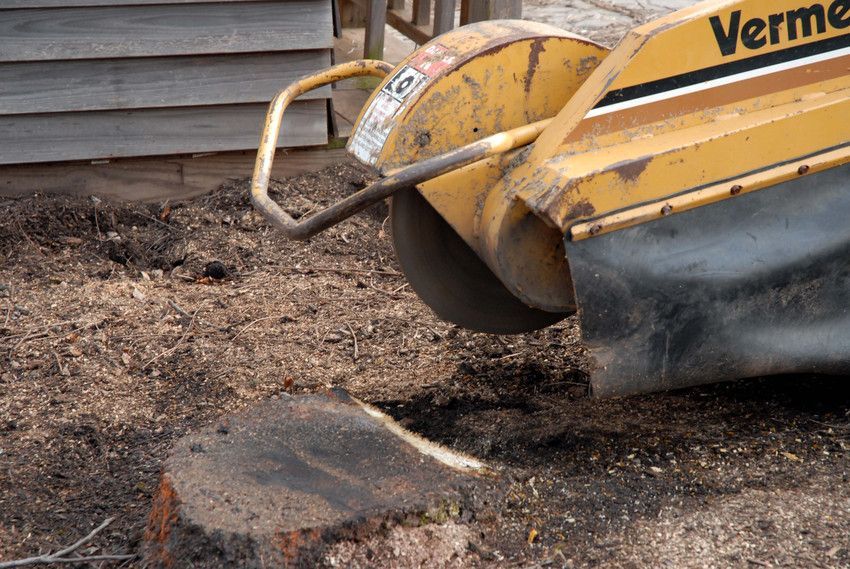
Removing the stump is often necessary after cutting down a damaged tree. Stump grinders break down the remaining wood to ground level. This helps eliminate tripping hazards and prepares the area for restoration. Choosing the right tool ensures smooth and effective operation. Proper stump removal completes the process.
Heavy Machinery for Large Trees
Large or heavily damaged trees may require cranes or other heavy equipment. These machines allow crews to handle difficult removals safely. Trained operators are essential for using this equipment correctly. Careful planning ensures machinery is used effectively. This is especially important for complex storm damage tree removal projects.
Maintenance of Equipment
Regular inspections help keep all tools in good working condition. Identifying issues early prevents breakdowns during critical tasks. Proper maintenance also supports operator safety. Reliable equipment is essential for efficient storm damage tree removal. It ensures consistent performance throughout the project.
Techniques for Safe Tree Removal
Proper Cutting Techniques
Using correct cutting methods helps control how trees and branches fall. Techniques such as notch cuts and back cuts guide movement safely. Precision is essential in avoiding accidents. Practicing these techniques improves overall efficiency. It also reduces the risk of damage to nearby areas.
Limb Removal Strategies
Removing branches in sections helps maintain control during the process. Creating designated drop zones adds an extra layer of safety. These strategies are especially useful in tight spaces. Proper planning ensures each step is handled carefully. This supports successful storm damage tree removal.
Managing Large Fallen Trees
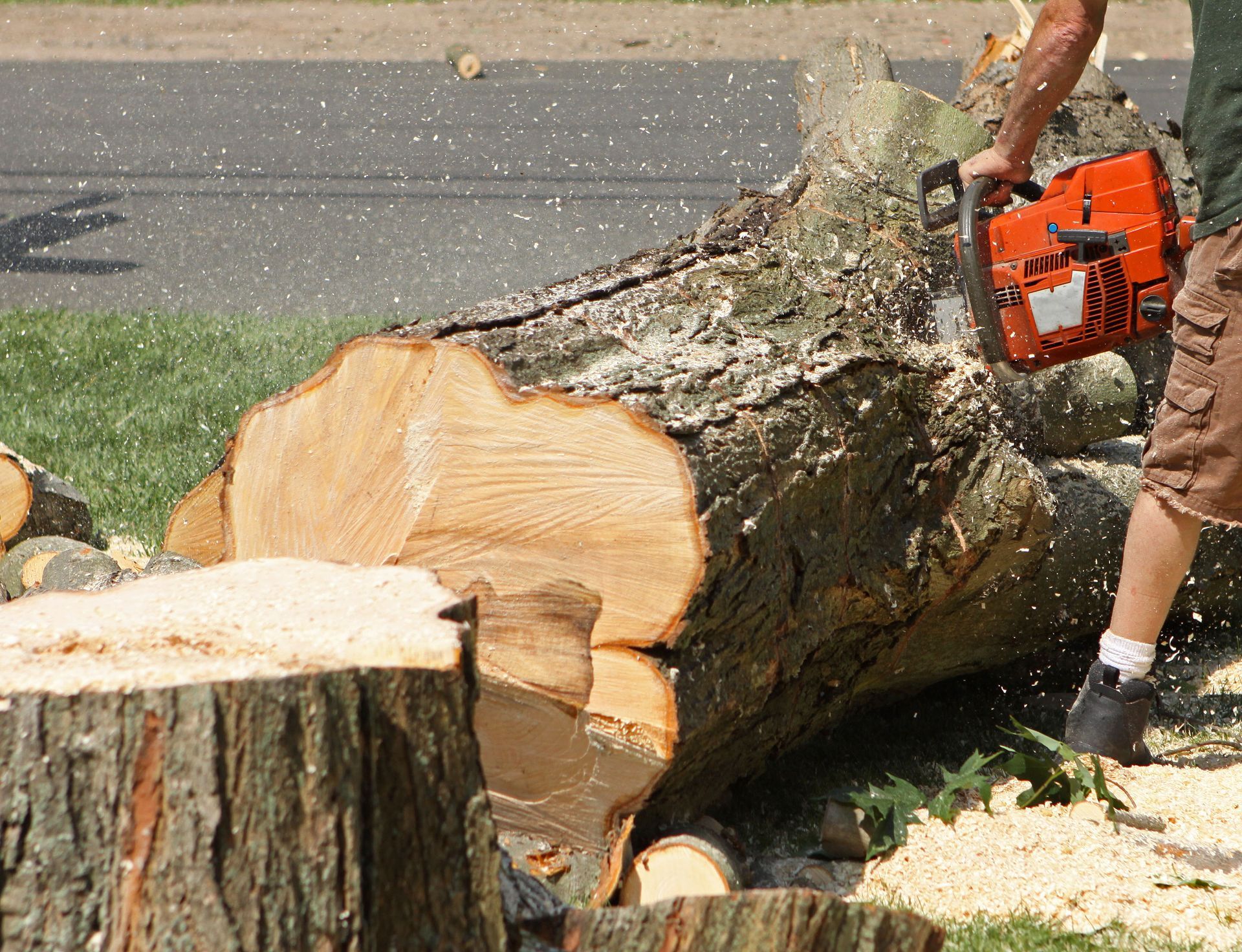
Large fallen trees require a structured approach to removal. Cutting them into manageable sections makes the process safer. Equipment and planning play a major role in handling these situations. Careful execution prevents further damage. It also helps speed up cleanup efforts.
Controlling Tree Fall Direction
Guiding the direction of a tree’s fall is essential for safety. Techniques like wedges and hinge cuts help control movement. This is particularly important in residential areas.
Accurate planning minimizes risks during removal. It ensures a smoother operation overall.
Debris Management
Managing debris is a key part of storm damage tree removal. Branches, leaves, and wood must be collected and disposed of properly. Organized cleanup keeps the site safe and accessible.
Recycling materials when possible supports environmentally friendly practices. Efficient debris handling improves the entire process.
Storm recovery requires careful planning, the right tools, and a strong focus on safety. Proper storm damage tree removal helps eliminate hazards and restore order after severe weather. Taking a structured approach ensures that each step is handled effectively.
Working with experienced professionals can make the process smoother and safer. With the right methods, storm damage tree removal supports both property protection and environmental recovery. Contact Clean Cut Charlie for more information.